
Finishes and Fabric
Exceptional Plastering Services for Flawless Interior Finishes
Plastering is where rough building work starts to feel clean, finished and ready for everyday use. Sudtrix Group helps homeowners, landlords, developers and commercial clients plan plastering around preparation, repairs, drying time, protection, decoration readiness and a sharp final surface.
Plastering for Homes, Landlords and Businesses
Plastering is often the stage that changes a room from building site to usable space. Good plastering hides the rough work, sharpens the finish and gives decorating, flooring, kitchens, bathrooms and final trims a cleaner base.
Plastering can include skim coats, patch repairs, ceiling repairs, boarding support, making good after other trades, surface preparation, post-leak repairs and getting rooms ready for decoration. The work may look simple once it is finished, but the preparation underneath decides the quality.
Sudtrix Group looks at plastering as part of the full room finish. Walls, ceilings, openings, pipe chases, electrical work, joinery, kitchens, bathrooms, tiling, flooring and decoration can all depend on the plastering being planned at the right stage.
Good plastering gives customers a clean surface, a better-looking room and a smoother route into the final finish. It is the difference between work that merely covers a surface and work that helps the whole property feel properly completed.
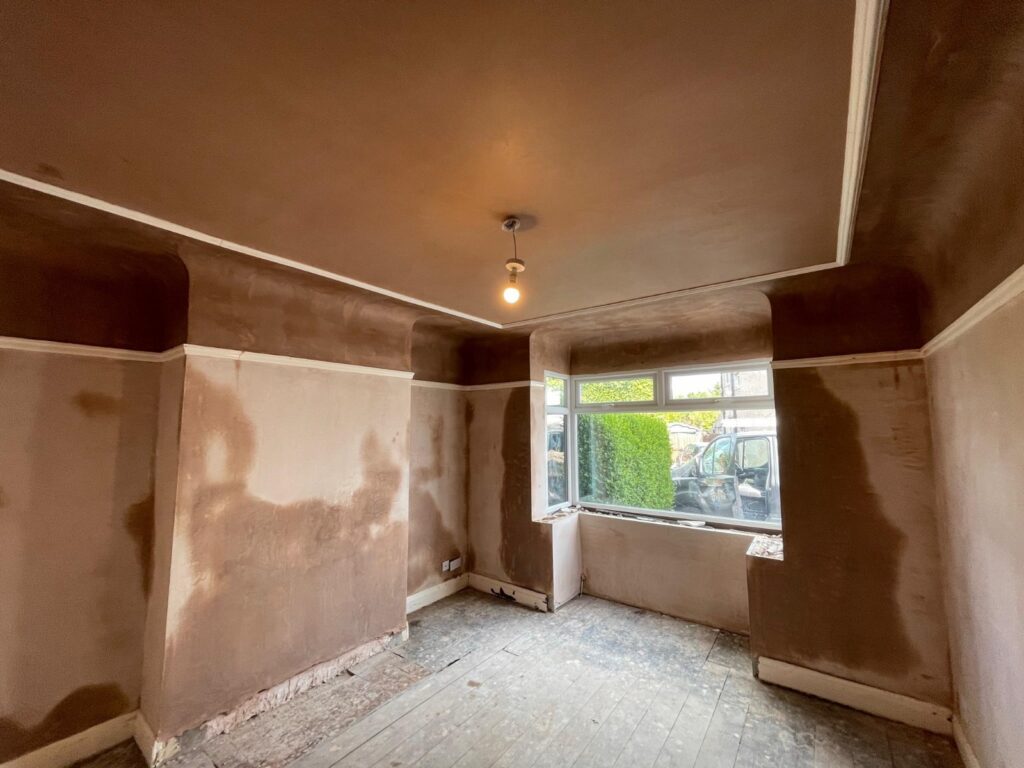
Professional Plastering for Smooth, Decorator-Ready Rooms
Plastering should make a room feel sharper, cleaner and ready for the finish. Sudtrix Group helps customers plan plastering around the surface, the trade sequence, drying time and the standard needed at handover.
Plastering is one of the stages that customers notice immediately. Before plastering, a room can feel unfinished, rough, patched, tired or still part of a building site. After good plastering, the same space starts to feel calmer, cleaner and ready for decoration. That is why the quality of the surface matters so much.
Sudtrix Group treats plastering as more than putting a skim coat on a wall. The best plastering starts with understanding the surface underneath, the previous work carried out, the moisture condition, the repairs needed, the final finish expected and the trade sequence around the room. A smooth finish depends on preparation as much as application.
For homeowners, plastering can support renovations, room refreshes, extensions, kitchen installations, bathroom installations, ceiling repairs, post-leak repairs and general making good. The customer usually wants the room to feel finished, not patched together. Sudtrix Group helps shape the work around that end result.
For landlords, letting agents and commercial clients, plastering often has to balance speed, durability and presentation. A damaged wall, tired ceiling or rough repair can make a property feel neglected. Professional plastering helps create cleaner rooms, better first impressions and a more practical route into painting and decorating.
Surface preparation is the first serious part of plastering. Loose material, cracked areas, dusty backgrounds, water damage, old coatings, uneven boards, previous patches and movement can all affect the finish. If plastering is applied over a weak or unsuitable surface, the room may look good briefly but fail sooner than it should.
Skim coats are one of the most common plastering requests. A skim can refresh tired walls, improve rooms after stripping wallpaper, prepare surfaces after alterations and give decorators a cleaner base. The important detail is knowing when a skim is suitable and when the wall needs repair, boarding, stabilising or a different route first.
Patch repairs are often needed after plumbing, electrical work, roof repairs, structural work, door fitting, window fitting or general property maintenance. Pipe chases, cable runs, removed fixtures, damaged corners and local repairs need to be made good neatly so the finished area blends with the surrounding wall or ceiling.
Ceiling plastering needs particular care because uneven surfaces, cracking, water damage, old boards, poor joints and access issues are easy to see once light crosses the surface. Sudtrix Group reviews ceilings around safety, condition, height, boarding, jointing and drying so the result is practical and presentable.
Plastering after leaks needs a different level of caution. If water has entered through roofing, guttering, plumbing or a bathroom fault, the area may need to dry properly before final plastering. Trapped moisture can spoil decoration, cause staining or create a surface that does not perform as expected. Sudtrix Group keeps drying, source control and follow-on finishes in mind.
Boarding support can be part of plastering where walls or ceilings are too damaged, where new partitions have been created, or where extensions and renovations need fresh surfaces. Good plasterboarding helps the plastering finish because the board layout, fixing, joints, edges and openings all affect how clean the final surface will look.
Plastering often sits between rough construction and final decoration. Bricklaying, blockwork, structural work, electrical work, plumbing, insulation, windows, doors and carpentry may all happen before plastering. Painting, decorating, flooring, tiling, kitchens, bathrooms and final trims may follow. Sudtrix Group plans plastering around that order so trades do not undo each other.
Kitchens need careful plastering because units, worktops, splashbacks, plumbing, electrics and tiling all depend on clean surfaces and sensible sequencing. A poor plastering finish can make cabinets harder to fit neatly, expose uneven walls around worktops or leave awkward details near sockets and extractor points.
Bathrooms need plastering planned around moisture, tiling, ventilation, plumbing and waterproofing. Not every surface in a bathroom should be treated the same way, especially where tiles, wet areas, shower zones or specialist boards are involved. Sudtrix Group looks at the room use before treating plastering as a standard skim everywhere.
Extensions and new builds often need plastering across larger areas where timing matters. Walls need to be ready, services need to be in, the building needs to be protected from weather, and drying needs to be respected before decoration. Good plastering helps the new space start to feel like part of the property.
Health and safety is part of plastering even though it is often seen as a finishing trade. Dust, manual handling, working at height, mixing materials, access, ventilation, wet surfaces, occupied homes and electrical or plumbing areas all need sensible control. Sudtrix Group considers the working environment before plastering begins.
Accredited and competent trade awareness matters where plastering is linked to other regulated work. Electrical alterations, plumbing changes, structural openings, fire-related details, insulation upgrades and damp issues may need the right trade input or official guidance before the wall is closed and finished.
Drying time is one of the details customers appreciate once it is explained properly. Plastering may look finished before it is ready for paint. Ventilation, temperature, moisture, thickness, background and room conditions all affect drying. Rushing decoration can spoil the finish, so Sudtrix Group keeps realistic aftercare in the conversation.
Protection matters in occupied properties. Floors, doors, windows, fittings, kitchen units, bathroom fixtures and routes through the property need to be respected. Plastering is wet, practical work, but it should still be handled with care so the customer does not feel the rest of the home has been ignored.
Customers often ask whether plastering will hide every problem. Good plastering can transform a room, but it should not be used to hide active damp, ongoing leaks, moving cracks, weak substrates or unresolved defects. Sudtrix Group helps customers understand when plastering is the finish and when it needs another repair stage first.
The enquiry process is kept straightforward. Photos of the room, close-ups of damaged areas, wall or ceiling measurements, notes about leaks, known electrical or plumbing work, the final decoration plan and the property location all help shape the plastering conversation. Better information helps the customer get more useful guidance from the start.
Good plastering makes the next stage easier. Decorators get a better surface, kitchens and bathrooms look sharper, rooms feel cleaner and the customer can see the project moving from rough work into finished space. Sudtrix Group focuses on plastering that supports the whole property rather than only the wall in front of the trowel.
Why Customers Choose Sudtrix for Plastering
Customers choose Sudtrix when they want plastering that feels clean, carefully prepared and properly connected to the rest of the project.
Most customers want plastering because they are trying to get a room finished properly. They want the cracks gone, the ceiling repaired, the renovation made good, the kitchen ready, the bathroom neater or the decorating stage made easier. Sudtrix Group keeps that finished result in focus.
The benefit of professional plastering is confidence in the surface. Customers get a clearer route through preparation, repair, application, drying and decoration readiness. That makes the job easier to understand and helps avoid disappointment once paint or lighting reveals every detail.
When plastering is planned properly, the whole room feels better. Sudtrix Group helps customers move from rough surfaces to clean, usable spaces with a service that respects the preparation, the finish and the trades around it.
What Plastering Can Include
Plastering can include skim coats, patch repairs, ceiling repairs, boarding support, making good, surface preparation, post-leak repairs and decoration readiness.
- Skim coats
- Patch repairs
- Ceiling repairs
- Boarding support
- Making good
- Surface preparation
- Post-leak repairs
- Decoration readiness
How Sudtrix Plans Plastering
A practical process keeps plastering easier to price, safer to deliver and simpler for the customer to understand.
Official Guidance That Can Affect Plastering
Some property work may involve building regulations, planning rules, working-at-height duties, competent person routes or construction health and safety requirements.
GOV.UK Building Regulations
Useful for understanding when building regulations approval may apply to alterations, extensions and controlled building work.
View official guidancePlanning Portal
Helpful for checking planning routes, permitted development guidance and common homeowner project considerations.
View official guidanceHSE Construction Guidance
Explains construction health and safety duties, risk control and safer working practices on building projects.
View official guidanceCompetent Person Schemes
Explains how certain types of building work may be self-certified by registered competent trades.
View official guidanceRelated Sudtrix Services
These connected services are often planned alongside plastering where the wider property needs more than one trade.
Plastering FAQs
Answers to common questions before requesting a quote.
What is included in plastering?
Plastering can include assessment, preparation, trade planning, health and safety considerations, access review, materials, practical sequencing and the finishing details needed for a clean result.
Can Sudtrix Group help with plastering?
Yes. Sudtrix Group can review suitable plastering enquiries where the location, photos, access details, timescale and expected finish are supplied clearly.
Do I need drawings before contacting Sudtrix Group?
Drawings are helpful for structural, extension and larger building work, but many early enquiries can start with photographs, rough measurements and a clear description.
Can this service be linked with other trades?
Yes. Many property jobs involve connected trades, so Sudtrix Group reviews how preparation, services, safety, finishes and handover need to line up.
What affects the cost?
Cost can be affected by access, property condition, specification, materials, urgency, waste, safety controls, linked trades and the level of finish required.
What should I send for a quote?
Send the property location, photos, measurements, drawings if available, access notes, visible issues, preferred timescale and the outcome you want.
Does the work need official approval?
Some projects may need planning permission, building regulations approval, inspection, certification or a competent person route depending on the type and scale of work.
Can Sudtrix Group help with urgent issues?
Urgent property issues can be raised through the 24/7 emergency call out route where safety, access and a practical first response need to be reviewed quickly.
Request Plastering Support
Send your location, photos and the result you want. Sudtrix Group can then review the most practical route for plastering.